
There is a quiet revolution happening in the world of home fragrance. Moving away from overpowering scents and loud designs, a new trend is emerging, one rooted in centuries of tradition, mindfulness, and subtle elegance. This is the rise of candles inspired by Kodo, the ancient Japanese art of incense appreciation. These creations are more than just scented wax; they are an invitation to slow down, engage the senses, and find a moment of peace in our busy lives.
This shift speaks to a growing global desire for products with meaning and intention. Kodo-inspired candles offer exactly that, blending minimalist aesthetics with complex, natural fragrances that tell a story. In this post, we will explore the fascinating world of Kodo and see how its principles are shaping the future of candle making. We will uncover how you can bring this sense of calm and connection into your own home and craft.
What is Kodo? The Way of Fragrance
To understand this candle trend, we must first travel back in time to 15th-century Japan. Kodo, which translates to “the Way of Fragrance,” is one of the three classical Japanese arts of refinement, alongside flower arranging (Ikebana) and the tea ceremony (Chado). It is a sophisticated and spiritual practice centred on “listening” to incense rather than simply smelling it.
The practice involves heating small pieces of aromatic wood, most famously agarwood (jinko), on a heated mica plate over charcoal. Participants do not just inhale the scent; they are encouraged to appreciate its nuances, its story, and the feelings it evokes. Kodo ceremonies are often built around games where attendees try to identify different fragrances, requiring deep concentration and a refined olfactory palate.
More than a simple pastime, Kodo is deeply connected to Zen Buddhism and the samurai culture. It embodies principles of mindfulness, respect, and purity. The focus is on being present in the moment, appreciating the transient beauty of the scent, and connecting with nature and history through the precious woods. It is this profound cultural depth that makes its influence on modern candle making so powerful.
From Ancient Art to Modern Candle: How Kodo Principles Translate
The core values of Kodo—simplicity, nature, and mindfulness—are being beautifully translated into contemporary candle design. This is not about replicating the ceremony itself but about capturing its spirit. Modern candle makers are drawing inspiration from this ancient art to create products that encourage a more intentional and sensory experience.
Minimalist Aesthetics: The Beauty of Simplicity
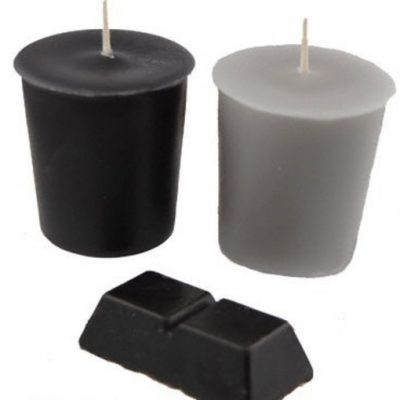
A hallmark of Japanese design is its elegant simplicity, and Kodo-inspired candles are no exception. Gone are the bright colours and elaborate labels. Instead, you will find clean lines, neutral colour palettes, and a focus on the quality of the materials.
Think of vessels made from natural materials like ceramic, stone, or frosted glass in earthy tones of grey, white, and black. The packaging is often just as considered, with simple, tactile paper and understated typography. This minimalist approach removes visual clutter, allowing the fragrance and the flickering flame to be the centre of attention. This aesthetic choice aligns with the Kodo principle of removing distractions to focus purely on the sensory experience.
A Return to Nature: Wabi-Sabi and Natural Materials
The Japanese concept of wabi-sabi—finding beauty in imperfection and transience—is central to this trend. Kodo-inspired candles often embrace this philosophy by using natural waxes like soy, coconut, or beeswax, which sometimes have their own unique textures and imperfections. Vessels might be handcrafted, with slight variations that make each one unique.
This focus on naturalness extends to the entire product. Wicks are often made from wood, which crackles softly as it burns, adding an auditory element to the experience that echoes the gentle heating of incense wood in a Kodo ceremony. The entire candle becomes an object of quiet, imperfect beauty that connects us back to the natural world.
The Fragrance of Japan: Scents that Tell a Story
The true heart of a Kodo-inspired candle lies in its fragrance. Instead of simple, one-note scents, these candles feature complex, layered blends that evoke the landscapes and culture of Japan. They are designed to be “listened to,” unfolding over time just like traditional incense.
Here are some of the key fragrance notes defining this trend:
Hinoki: The Scent of the Forest Temple
Hinoki, or Japanese cypress, is a cornerstone of this fragrance profile. This sacred wood is used to build temples, shrines, and palaces across Japan. Its scent is clean, woody, and slightly citrusy, with a calming, almost spiritual quality. A hinoki-scented candle can transport you to a tranquil forest, promoting a sense of peace and clarity.
Yuzu: A Refreshing Citrus Twist
Yuzu is a Japanese citrus fruit that looks like a small grapefruit but has a unique fragrance all its own. It is more aromatic and less sharp than lemon, with floral and herbal undertones. In Japan, yuzu is famously used in winter solstice baths for its relaxing properties. In candles, it provides a bright, uplifting note that can energise a space while still feeling sophisticated and natural.
Sakura: The Fleeting Beauty of Cherry Blossom
Sakura, or cherry blossom, is a powerful symbol in Japanese culture, representing the beauty and transience of life. While many cherry blossom scents can be overly sweet, the Kodo-inspired approach is more subtle. It captures the delicate, airy fragrance of the blossoms on a spring breeze, often blended with other notes like green tea or plum to create a more nuanced and elegant floral experience.
Matcha and Green Tea: A Grounding Ritual
The scent of matcha and green tea is deeply comforting and grounding. It brings to mind the quiet ritual of the Japanese tea ceremony. These fragrances are earthy, slightly bitter, and deeply restorative. A candle with notes of green tea can help create a focused and serene atmosphere, perfect for work or meditation.
Why is This Trend Resonating Globally?
The rise of Kodo-inspired candles is not just a passing fad. It reflects a deeper societal shift towards mindfulness, slow living, and conscious consumption. In a world that often feels chaotic and overwhelming, these candles offer a small but meaningful way to create a sanctuary at home.
They appeal to a consumer who is looking for more than just a pleasant smell. They are seeking an experience—a ritual that helps them unwind, connect with themselves, and appreciate the simple beauty around them. Lighting a Kodo-inspired candle becomes an act of intention, a signal to the mind and body that it is time to slow down and be present.
This trend also taps into our growing appreciation for craftsmanship and authenticity. We are moving away from mass-produced goods and towards products with a story. The connection to a centuries-old Japanese art form gives these candles a sense of history and cultural weight that makes them feel special and significant.
Bringing Kodo into Your Craft
As a candle maker, you can easily incorporate the essence of Kodo into your own creations. Start by focusing on simplicity. Choose high-quality, minimalist vessels and natural waxes. Experiment with wooden wicks to add that gentle, crackling sound.
Most importantly, be intentional with your fragrance blends. Move beyond single scents and start layering notes to tell a story. Explore our range of fragrance oils inspired by Japanese botanicals, like hinoki, yuzu, and green tea. Think about the feeling you want to evoke—calm, energy, or contemplation—and build your scent profile around that.
The rise of Kodo-inspired candles is a beautiful reminder that fragrance can be a powerful tool for connection and mindfulness. By embracing the principles of this ancient art, we can create candles that do more than just scent a room—they enrich our lives.